
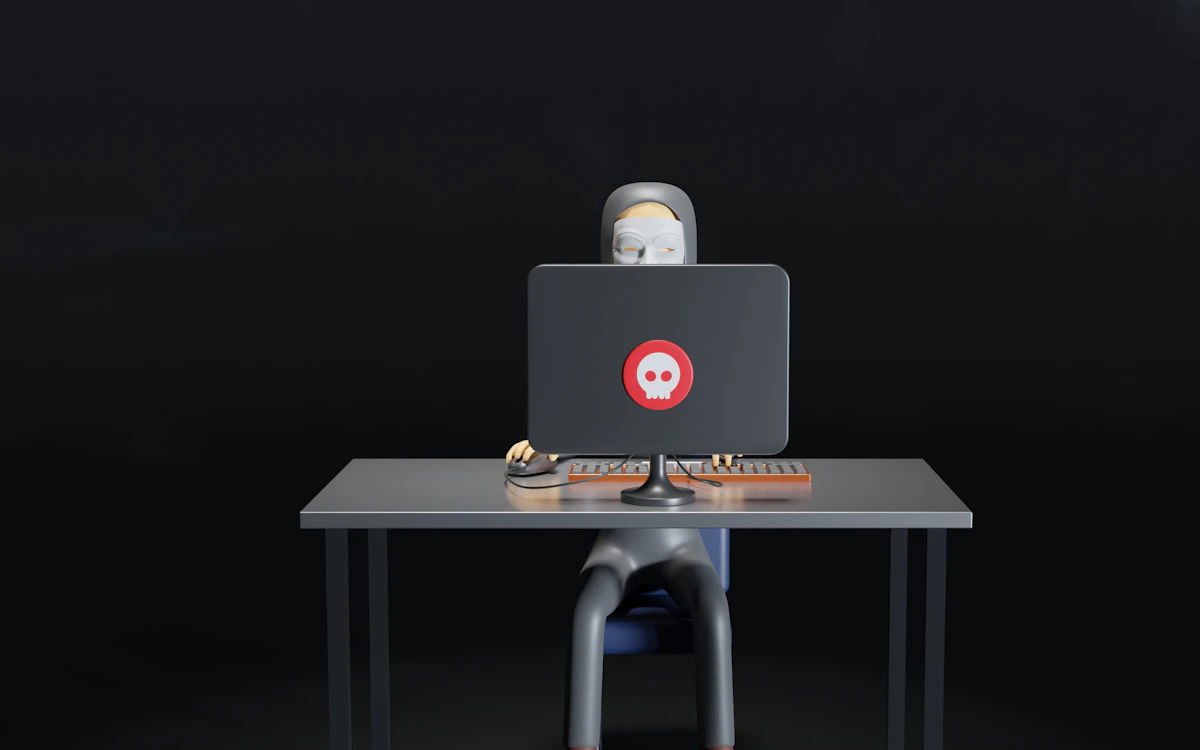
Piracy in Mexico is evolving. It is no longer exclusively a problem for large international corporations with legal resources to combat it: today it also directly affects startups, small businesses, digital creators, and young entrepreneurs who are building brands from scratch. This was warned by Santiago Nieto, head of the Mexican Institute of Industrial Property, during the National Marketing Congress 2026.
Nieto detailed that during the current administration, the IMPI carried out 21 operations in 11 states of the country as part of the so-called "Operation Clean-up", resulting in almost 7.8 million pirated products seized and goods valued at nearly one billion pesos, in coordination with customs and federal authorities. However, the central message from the official goes beyond operations: piracy directly affects the formal economy and, in particular, entrepreneurs who are trying to register and position new brands in an increasingly competitive market.
"Mexico needs to move from being a maquiladora country to an innovative and entrepreneurial country"
Nieto pointed out, emphasizing that the protection of brands can no longer be viewed as a luxury reserved for companies with consolidated legal structures, but as a basic necessity for any business that depends on its commercial identity to grow.
The context exacerbates the situation for digital entrepreneurs. The internet and digital platforms have amplified the risks of counterfeiting, content theft, and unfair competition, especially for small businesses that do not yet have formal legal protection. At the same time, the head of the IMPI acknowledged a significant generational change: the new generations of entrepreneurs are being born with greater awareness of the value of trademark registration, branding, and legality from the outset of their projects.
The timing of this conversation is also strategic. Mexico is preparing for the review of the T-MEC and to host matches of the 2026 World Cup, two scenarios where intellectual property protection will be a priority. The IMPI is already working on special operations to prevent pirated goods, illegal broadcasts, and misuse of brands linked to FIFA and its official sponsors. An important achievement in this context is that Mexico managed to exit the "Priority Watch List" of the United States regarding intellectual property, one of the points of greatest pressure within the trade agreement.
From the perspective that next+ builds around the entrepreneurship and innovation ecosystem in Mexico, the message from the IMPI arrives at a time when the number of startups, digital brands, and content creators with commercial proposals continues to grow. Protecting a brand is not a bureaucratic procedure: it is a strategic decision that can determine the viability of a business when a competitor appears that copies its identity or a counterfeit product that harms its reputation. For entrepreneurs and founders who are building in this environment, intellectual property is as much a part of the business as the product itself.