
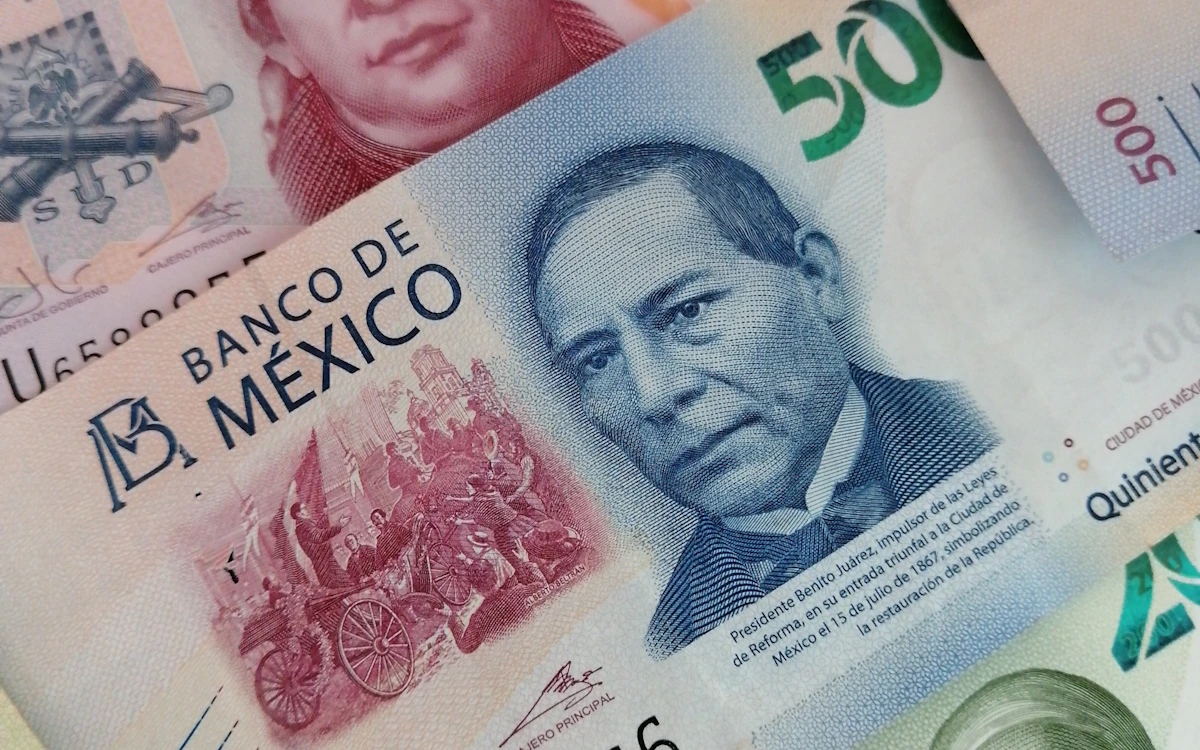
Growth in transactions, barriers in informality and adoption incentives: The cash habit in Mexico
Despite the notable growth in the use of digital tools in Mexico, the transition towards a cashless economy faces strong cultural and structural resistance. According to the study How Mexico is Reinventing its Payment Method, developed jointly by Mercado Libre and Endeavor, it is projected that the number of digital transactions per inhabitant will reach 80 transactions per year by the end of 2026, a figure five times higher than the 15 recorded in 2021.
Technological acceleration vs. cultural attachment to cash
The study reveals that the stagnation in financial digitalization does not stem from a lack of technological infrastructure:
- Deployment of terminals: Between 2020 and 2024, the presence of terminals at points of sale (POS) operated by fintech aggregators grew by 58.6%.
- International gap: Despite local advancements, Mexico remains distant from highly digitalized emerging markets like Brazil (540 transactions per capita annually) and China (680).
- Consumer paradox: Although 76.4% of users claim it would be easy for them to stop using cash, 47% admit that cash continues to be their main means of daily payment.
Informal commerce and long-term usage projections
The informal channel has consolidated as the most determining factor for the persistence of physical money in the national economy:
- Dominance in the informal sector: 91.4% of respondents reported that cash is the predominant form of payment in informal establishments, in contrast to only 8.7% prioritizing digital options in that environment.
- Resistance factors: The low digital penetration in small businesses responds to four central elements: acceptance costs, tax concerns, misinformation about tax obligations, and financial invisibility.
- Projection towards 2050: Cash currently represents 35% of total transactions in the country; it is estimated to drop to 30% by 2030 and maintain a share of 18% by 2050, a level higher than the 4% projected for China at that same time.
Strategies and incentives for mass adoption
To accelerate the migration towards electronic channels, the research suggests focusing efforts on the simplicity of the experience, generating trust, and economic incentives:
- Attraction to benefits: 60.9% of users stated that cashback programs and discounts would motivate them to migrate to digital payments.
- Reduction of friction: 58.4% of consumers indicated that the elimination of fees would facilitate the definitive adoption of digital banking solutions.
From the editorial perspective of next+, the payment behavior in Mexico demonstrates that the deployment of point-of-sale infrastructure is not a sufficient condition to eradicate physical money when the informal economy encompasses more than half of the workforce. The projected persistence of cash (18% in 2050) confirms that tax friction and transactional costs continue to inhibit the banking of the base of the pyramid. For banking institutions, fintech companies, acquirers, and retailers, the key to growth will not lie in placing more physical terminals, but in designing immediate incentive schemes (such as cashback or fee waivers) and interoperable interfaces that provide simplicity, certainty, and perceptible value compared to cash in hand.