
Stock market dominance and financial gap: The streaming model prevails over traditional giants
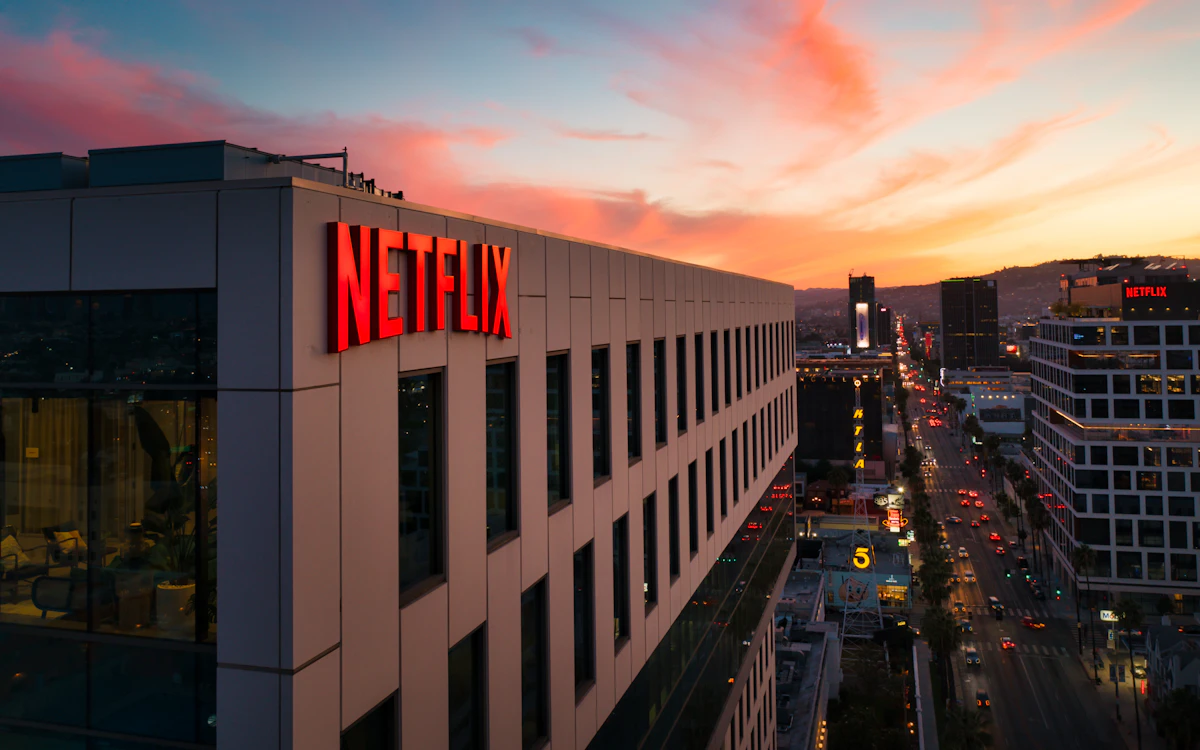
Netflix remains the entertainment company with the highest market value globally. The market capitalization of the platform reaches $282.96 billion (with real-time metrics nearing $294.64 billion), placing it at the top of the global media and digital distribution sector.
From the editorial perspective of next+, the more than $100 billion gap that separates Netflix from Disney highlights a structural transformation in content monetization. While historical conglomerates must balance the transition from linear television and cinemas, the model focused on direct-to-consumer (D2C) digital subscriptions gives Netflix a liquidity and scale advantage. For the entertainment industry and stock analysts, the consolidation of streaming services at the pinnacle of the market demonstrates that global technological distribution is now the main factor in financial valuation.
Comparison of the Top 3 and distance from the competition
According to Companies Market Cap measurements, the financial hierarchy in the leading entertainment group is distributed as follows:
- 1. Netflix: $282.96 billion (USA).
- 2. Disney: $179.29 billion (USA).
- 3. Sony: $139.83 billion (Japan).
The difference in market capitalization between Netflix and Disney exceeds $100 billion, while the gap against Sony widens even more. This advantage reflects the sustained financial value that markets assign to native digital streaming models over traditional production and distribution structures.
Context of the global entertainment market
Globally, the entertainment sector comprises 369 publicly traded companies, reaching a cumulative market value of $1.927 trillion. Within this ecosystem, the list of the ten most valuable players is completed by firms specialized in audio, video games, and technology: Spotify ($109.05 billion), NetEase ($80.47 billion), Warner Bros. Discovery ($77.59 billion), Comcast ($73.03 billion), Nintendo ($59.98 billion), Sea Limited ($58.82 billion), and Live Nation ($39.55 billion).