
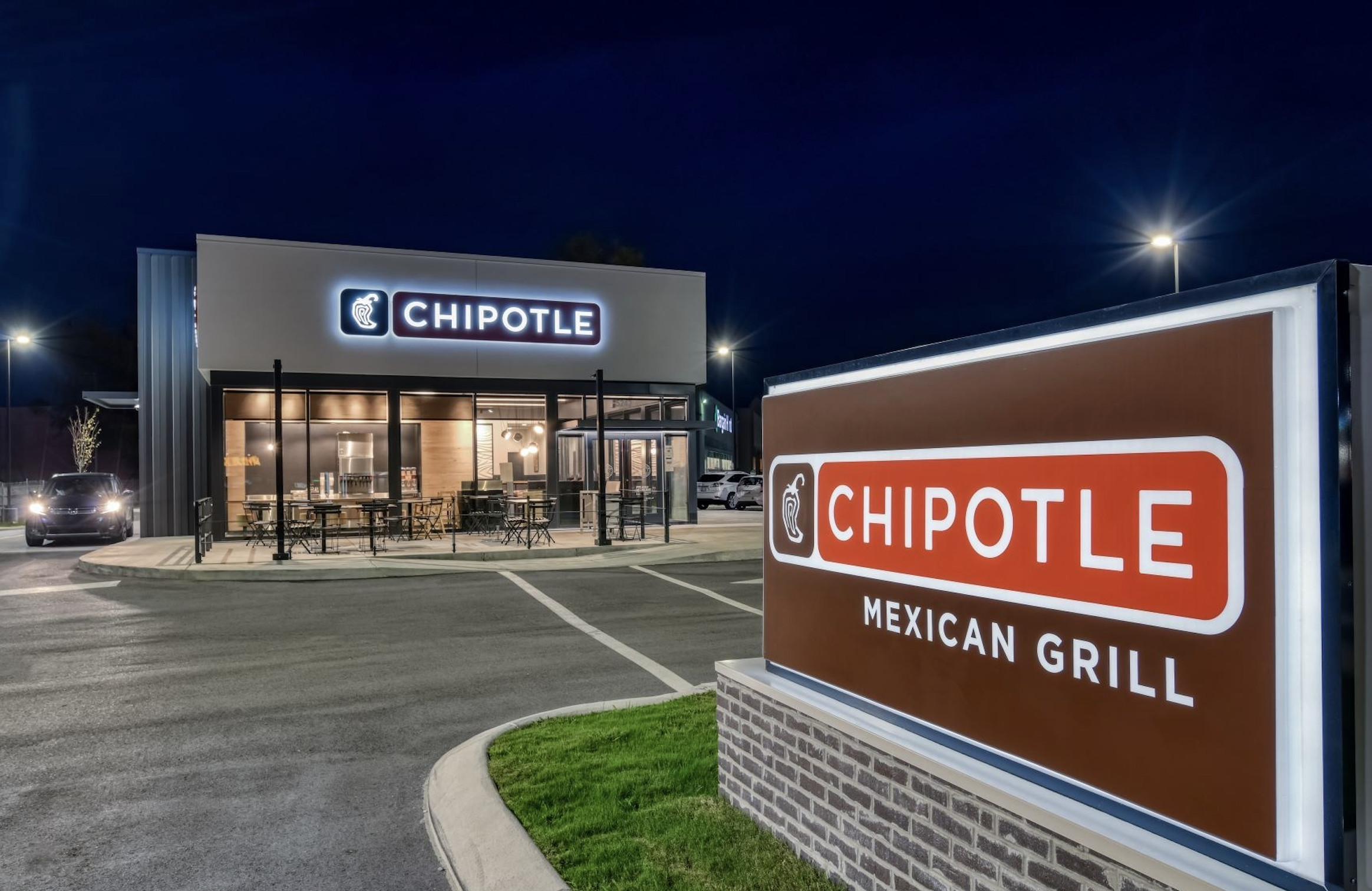
Chipotle opened its first restaurant in Mexico. The American chain, hand in hand with Alsea, launched its first unit in Plaza San Agustín, in San Pedro Garza García, Nuevo León. The premises have 350 square meters, capacity for 91 diners, and feature drive-thru service.
The arrival materialized after five or six years of negotiations between both companies. Christian Gurría, CEO of Alsea, explained that Chipotle first needed to build a structure to operate outside the United States and find a partner capable of replicating its model without altering the brand experience. Alsea was that partner.
The choice of Nuevo León for the debut is no coincidence. Alsea operates more than 120 restaurants of different brands in the state. Pablo de Brito, CEO of Chipotle Mexico, noted that Monterrey brings together purchasing power, a dynamic economy, a young population, and a close relationship with American brands and culture, exactly the consumer profile the chain needs to start.
The menu will practically replicate what operates in the United States: customizable burritos, bowls, salads, quesadillas, and tacos. Prices were adapted to the local market. The chicken burrito or bowl starts at 149 pesos, the carnitas version at 169, and the steak or barbacoa at 189. The average ticket will be between 10 and 20% lower than in the United States.
Before the end of 2026, Alsea will open two more restaurants of the brand in Nuevo León: one in Cumbres and another in Venustiano Carranza, both with Chipotlane, the exclusive lane for mobile orders. Mexico City appears in the plan for 2027, followed by markets such as Guadalajara, Puebla, and Querétaro. Alsea will invest 300 million pesos this year in Nuevo León for openings and renovations of all its brands, generating around 2,200 direct jobs in the state. Each Chipotle restaurant will add between 40 and 50 employees.
Chipotle becomes the twelfth brand operated by Alsea. In the first quarter of 2026, the company reported consolidated sales of 20,071 million pesos, with Mexico contributing 56% of the total and a network of 2,520 units in operation.
For the next+ team, Chipotle's venture in Mexico has an inevitable precedent as a reference: Taco Bell. The Yum! Brands chain tried twice to establish itself in the country, the first in 1992 with street carts in Mexico City and the second in 2007 with a branch in Monterrey that explicitly declared it was not authentic Mexican food. On both occasions, it failed and closed. Today there is not a single Taco Bell in Mexico, the country that invented the taco, while the chain operates in more than 22 countries including China and the island of Guam.
The structural difference between both cases is not just about the product. It's about positioning and the partner. Taco Bell arrived trying to sell an industrialized version of Mexican gastronomy to consumers who know it better than anyone. The rejection was cultural before it was commercial. Chipotle does not fall into the same error because it never pretended to be Mexican food: it is an American fast-casual chain that uses Mexican-style ingredients for a customization format that young consumers in Monterrey already know and consume when they travel to the United States. Positioning itself as an American experience, not as an alternative to the taqueria, is what changes the equation.
That Alsea is the operator is also a differentiator that Taco Bell never had. With more than 2,520 units in operation and decades of experience in the Mexican market, Alsea understands the local nuances of price, location, and service experience that a foreign chain entering alone would hardly be able to process. The gamble is intelligent. The challenge will remain to convince a Mexican consumer, one of the most demanding in the world when it comes to food, that paying 189 pesos for a steak bowl makes sense when a quality taqueria is half a block away.