
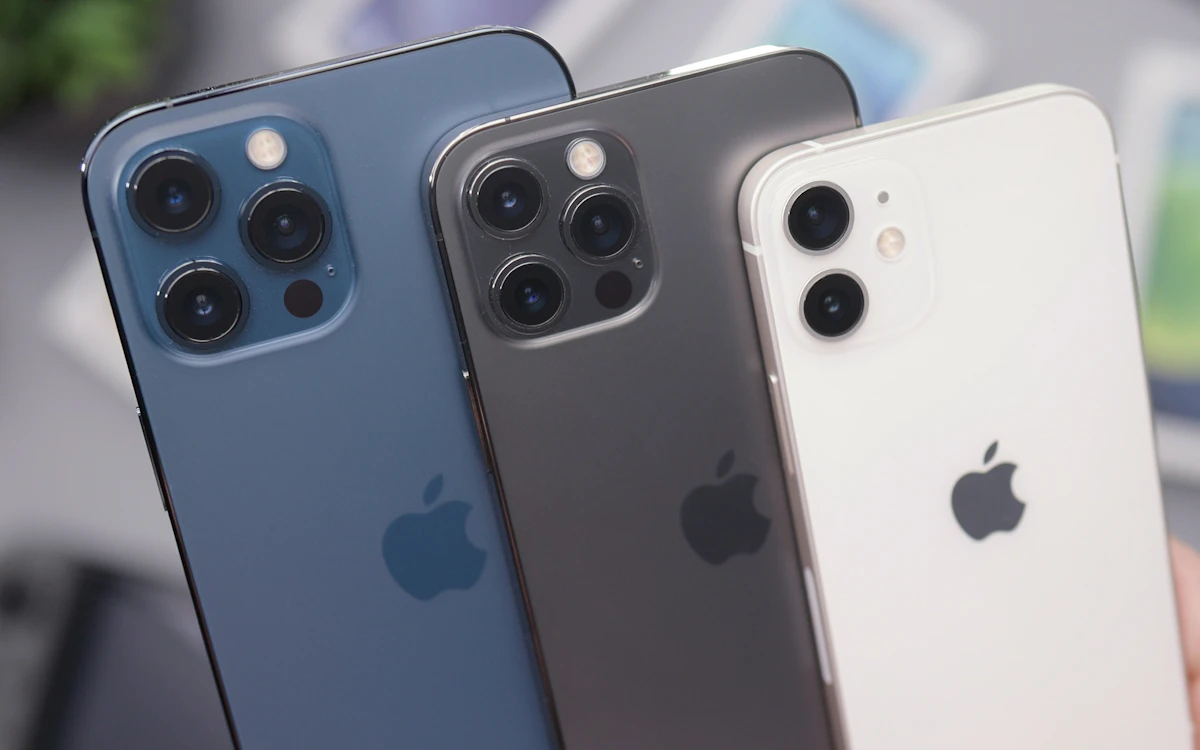
Component Shortages Due to AI and Price Resistance: The Volume Reconfiguration in the iPhone 18 Pro Series
Apple has asked several of its suppliers to reduce production of components for its newly launched iPhone 18 Pro and iPhone 18 Pro Max. According to information published by Nikkei Asia, the decision responds to a more cautious stance from the manufacturer after experiencing a weaker consumer demand in the face of price increases and the higher costs of memory components.
Magnitude of the Cut and Price Dynamics
The reduction in orders by the American firm comprises direct operational adjustments in the assembly line:
- Volume Adjustment: A cut of at least 15% in component orders for October was applied compared to the initial estimates made at the beginning of September.
- Consumer Price Increase: In the United States, the starting prices of the iPhone 18 Pro and Pro Max were set at $1,199 and $1,299, respectively, representing a $100 increase over the starting prices of the iPhone 17 Pro generation.
- Product Ecosystem: The launch of the new flagship generation took place alongside the presentation of its first foldable device, the iPhone Duo.
The Global Bottleneck: Competition for Chips with Artificial Intelligence
The rising costs in smartphone manufacturing are directly linked to the expansion of AI infrastructure on a global scale:
- Capacity Hoarding: Tech companies have hoarded the manufacturing capacity of advanced processors and memory chips to supply their artificial intelligence data centers.
- Domino Effect on Costs: This widespread shortage led to price hikes in high-performance storage and memory inputs. In light of this situation, Apple had already raised the prices of its iPad and MacBook lines in June, indicating that it was unfeasible to continue absorbing market costs for components.
From next+'s editorial perspective, the production cut of the iPhone 18 Pro highlights how the AI infrastructure craze is generating direct collateral effects in the consumer electronics market. The competition among tech giants to hoard high-performance memory for AI servers has increased the cost structure of high-end smartphones, forcing the passing on of price increases at a time of greater consumer sensitivity. For technology and purchasing directors in the hardware sector, this dynamic confirms that the availability and price of electronic components will continue to be subordinate to the investment priorities in cloud and large-scale AI computing.