
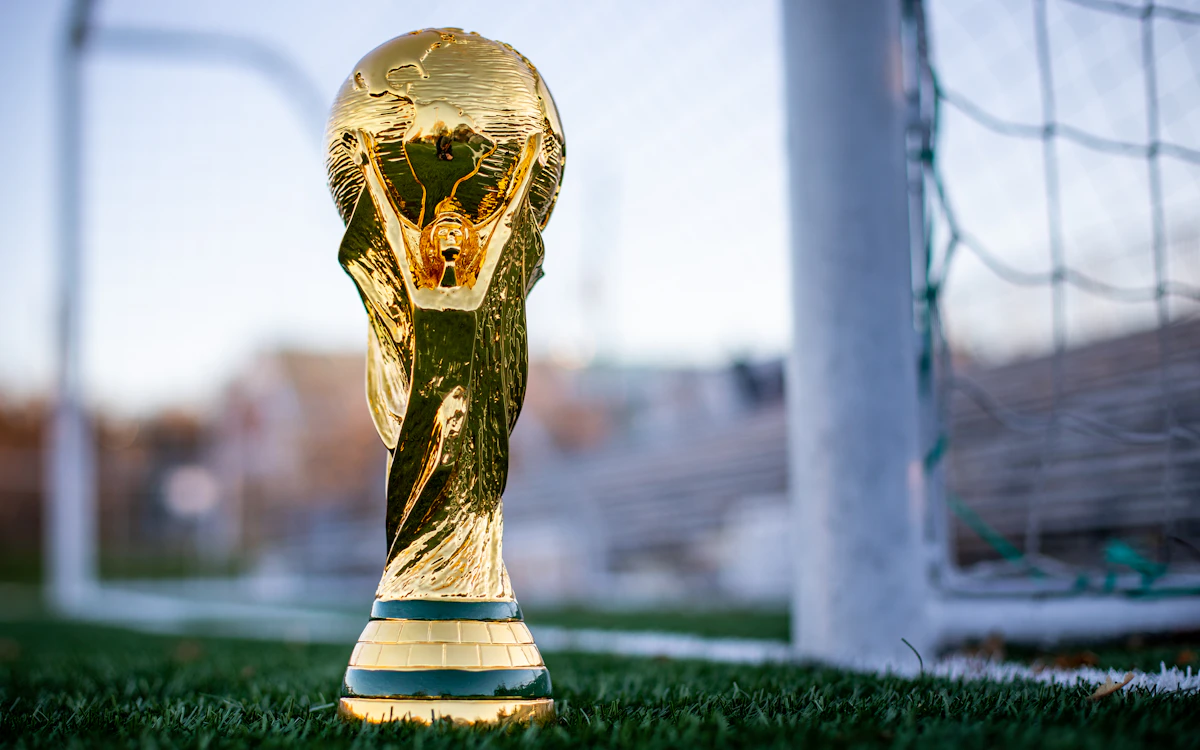
The 2026 World Cup, organized by the United States, Mexico, and Canada, will be the largest football tournament in history, and its scale is directly reflected in the numbers. FIFA will allocate approximately $3.8 billion to cover the organization of the championship, an investment that responds to the logistical complexity of an event that, for the first time, will bring together 48 national teams, will be contested over 39 days, and will involve 16 host cities spread across three countries.
How the budget is distributed
The largest portion of the expenditure, around 30%, corresponds to tournament operations: event management, temporary infrastructure, logistics, and coordination staff. About 27% will be allocated to prizes and programs associated with the championship, while nearly 22% will cover services for the participating teams, including transport, accommodation, technical support, and logistics for the 48 delegations. The remainder is distributed among marketing, communication, digital platforms like FIFA+, and administrative management expenses.
Among the host cities are New York and New Jersey, Los Angeles, Miami, Dallas, Seattle, Toronto, Vancouver, Guadalajara, Monterrey, and Mexico City, which implies coordination among multiple governments, sports entities, and security and transportation infrastructures unprecedented in the tournament's history.
The economic impact beyond FIFA's budget
The direct investment from FIFA is only a fraction of the total economic movement that the tournament will generate. Estimates project that the 2026 World Cup could produce over $80 billion in global economic activity and contribute around $40.9 billion to the global Gross Domestic Product. Additionally, the championship could create over 824,000 full-time equivalent jobs in sectors such as hospitality, transport, trade, and entertainment.
Marketing plays a central role in the commercial equation of the tournament. Communication campaigns, multibillion-dollar broadcasting contracts, global sponsors, and massive social media presence make the World Cup one of the most valuable advertising assets on the planet, with audiences measured in billions of viewers per match.
From the perspective with which next+ follows the intersection of major events, business, and brand strategy, the budget for the 2026 World Cup confirms something that brands should keep in mind: this tournament is not just a sports event; it is a commercial platform with a scale that no other event on the global calendar can replicate. For companies operating in Mexico, the fact that three of the host cities are in national territory—Guadalajara, Monterrey, and Mexico City—turns the 2026 World Cup into an activation opportunity with local reach and global impact. Brands that arrive prepared, with clear strategies and creativity within the regulatory frameworks that FIFA has already established, will be positioned to capitalize on one of the most relevant commercial moments of the decade.