
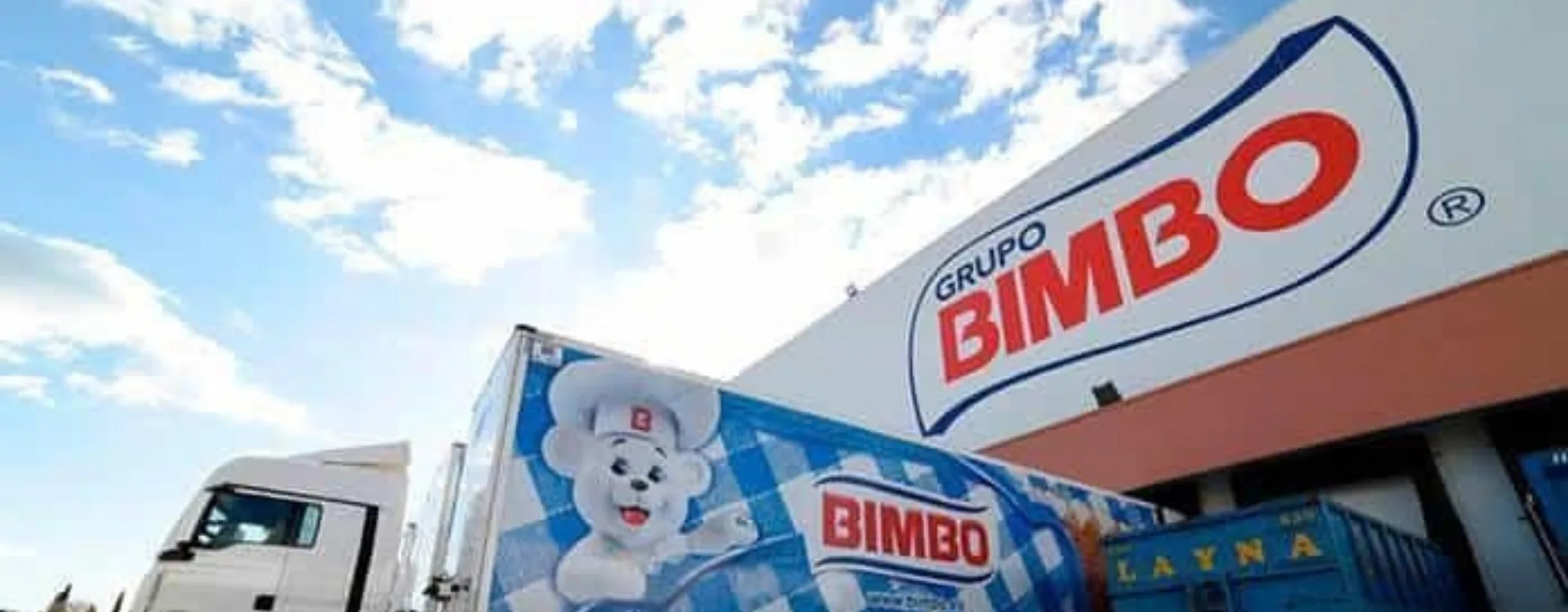
M&A Strategy and Integration of Local Brands: The Global Expansion Model of Grupo Bimbo
The Mexican baking giant Grupo Bimbo has consolidated its international presence through a continuous strategy of corporate acquisitions and distribution alliances. While in the Mexican market it maintains leadership with iconic brands, abroad it has strengthened its position by integrating well-known local firms into its global infrastructure.
Operational Footprint and Financial Performance in 2026
Currently, the group has commercial presence in 96 countries, operating directly in 39 markets and serving another 57 through strategic partners. Its logistics and production network encompasses 251 bakeries and plants, in addition to more than 1,600 sales centers distributed across America, Europe, Asia, and Africa.
In the stock market, the company trades on the Mexican Stock Exchange (BMV) and on the over-the-counter market in the United States. During 2026, the bakery has generated 205.3 billion pesos worldwide. In terms of net sales, the company reported a 4.8% growth in the first quarter and 4.5% in the second quarter (excluding the impact of the exchange rate). Additionally, the firm is evaluating the possible incorporation of the Spanish brand Punto Gofre towards the end of 2026.
Consolidation in Key Markets: America, Europe, Asia, and Africa
The group's expansion has been founded on the acquisition of strategic assets by region:
- Europe: It entered Southeast Europe in 2005 after acquiring Grupo Don Don (investment over 100 million euros) with brands such as Lulu Bakery, Vel Pitar, and Pekarna Grosuplje. In Spain and Portugal—where it formally entered as a group in 2011—it operates 17 and 11 brands respectively, highlighting the commercial success of Donuts, Oroweat, Ortiz, Silueta, and The Rustik Bakery. In 2017 it expanded its presence to the UK, France, and Italy through the purchase of East Balt Bakeries (QSR).
- North America and South America: In the United States, it operates 43 brands (including Sara Lee, The Cheesecake Factory, Marinela, and Alfaro's, the latter acquired in 1993). In Canada, it purchased Canada Bread (2014) and Vachon (2015). In South America, it has had a presence since 1995, consolidating firms like Plus Vita, Pullman, and Nutrella in Brazil, Los Sorchantes in Uruguay, Pantodos in Chile, and Supan in Ecuador.
- Asia and Africa: It entered China in 2006 with the purchase of Panrico's operations, subsequently expanding to India (Harvest Gold, Modern) and Central Asia. In Africa, it debuted in Morocco in 2017 (Grupo Adghal), extending to South Africa and recently to Tunisia with the purchase of Moulin d'Or in 2024.
From the editorial perspective of next+, the trajectory of Grupo Bimbo serves as a case study on how Latin American multinationals can scale globally without diluting the value of the acquired brands. Instead of imposing a single global brand in mature markets, Bimbo has utilized its logistical and financial muscle to acquire local champions, such as Sara Lee in the U.S. or Don Dón in Europe, while promoting global products like Takis. This combination of local operational autonomy and integration of efficiencies at the global level ensures that the company maintains consumer preference in 96 countries.