
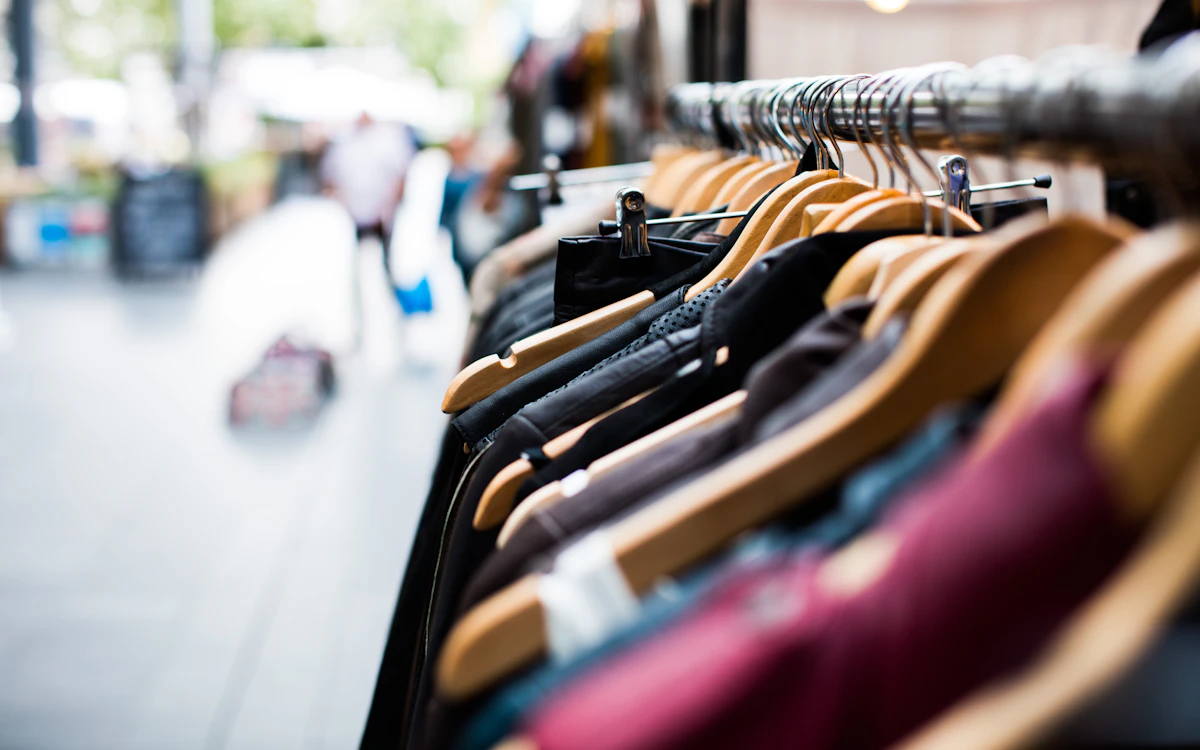
The model that allowed for the production and movement of clothing at low cost for decades faces simultaneous pressure from various fronts: energy, logistics, raw materials, supply chains, and trade policy.
The Global Supply Chain Pressure Index from the Federal Reserve Bank of New York reached 1.82 points in April 2026, its highest level since July 2022. The main trigger was the crisis around the Strait of Hormuz, through which nearly 20% of the world's oil and liquefied natural gas passes. Maritime traffic in the area dropped by 97%, oil prices rose by 26%, and shipping fuel doubled. Oxford Economics warned that stress in global supply chains reached its highest level since 2022 in April, driven by increased air and maritime freight rates, higher energy costs, and logistical delays.
Polyester, the dominant fiber in fast fashion with between 55% and 57% of global textile fiber consumption, directly depends on petrochemical derivatives. In India, its price surged from 100 to 126.5 rupees per kilogram in just a month. In China, textured polyester yarn increased by 12.7% in the first quarter of 2026. Consulting firm DCSC estimates that between 60% and 70% of the naphtha that Asia uses to produce petrochemicals depends on the same Strait of Hormuz.
Major companies in the sector are already reflecting the impact. H&M reported a 10% drop in sales in its first fiscal quarter of 2026, with an operating profit equivalent to only 3% of its sales. Nike reported that higher tariffs and logistics costs reduced its gross margin by 130 basis points, and its net profit fell by 35%. Inditex, parent company of Zara, announced investments of 2.3 billion euros to expand distribution centers and strengthen operations. Oxford Economics notes that many companies are migrating towards a logic of operational resilience rather than extreme efficiency, preparing for energy shocks, maritime blockades, and recurring geopolitical tensions.
In Mexico, the situation is complicated by a more restrictive tariff policy. The decree in effect since January 1, 2026, raised import tariffs for 1,460 products from countries without trade agreements. For textiles, tariffs increased by between 25% and 35%; for clothing items, they reached between 35% and 45%. The effect is already visible: in the first two months of 2026, imports of footwear from China dropped by 62%, and textile imports fell by 26%.
The Mexican consumer is responding with more caution. Bain & Company found that 35% of consumers reduced their spending on clothing and accessories in the last three months, and 32% say they now only have money to cover essential goods and services. At the same time, 27% are already primarily buying clothes online, favoring platforms like Shein, Temu, Amazon, and Mercado Libre. Fernanda Lima, a partner at Bain Mexico, warned that the survey data was collected before the conflict in the Middle East, so the real impact on prices and consumption has yet to be recorded: what is in stores today reflects orders negotiated months in advance.
The country’s structural dependence remains high. Data from Canaintex shows that in 2025, Mexican imports of textiles reached 13.271 billion dollars with a trade deficit of 5.607 billion. China accounts for 33% of imports, followed by the United States with 21%. At the same time, the national textile GDP remains 22% below its 2019 levels.
From the analysis of next+, the convergence of these factors raises a question for readers: is this a problem or a necessary correction?
On the economic front, the signals are clear and worrying for companies and consumers. Margins are tightening, prices will rise, and the Mexican consumer, already pressured, will have less access to cheap clothing. For retail operators, brands, and ecommerce platforms, the moment demands a review of sourcing models, inventory management, and pricing strategy before the impact hits with full force.
But there is another perspective. The fast fashion industry is responsible for between 8% and 10% of global carbon emissions, consumes more water than aviation and maritime transport combined, and generates over 92 million tons of textile waste each year. A model that produces clothing to be worn a few times and quickly discarded was only possible because its real costs—including energy, logistics, and environmental impact—were never reflected in the price of the garment. What is currently presented as a cost crisis could be, in the long run, the beginning of a reconfiguration towards a more sustainable model, with less volume, greater durability, and shorter production chains. Not because the industry has chosen it, but because the conditions that allowed these costs to be ignored are disappearing.