
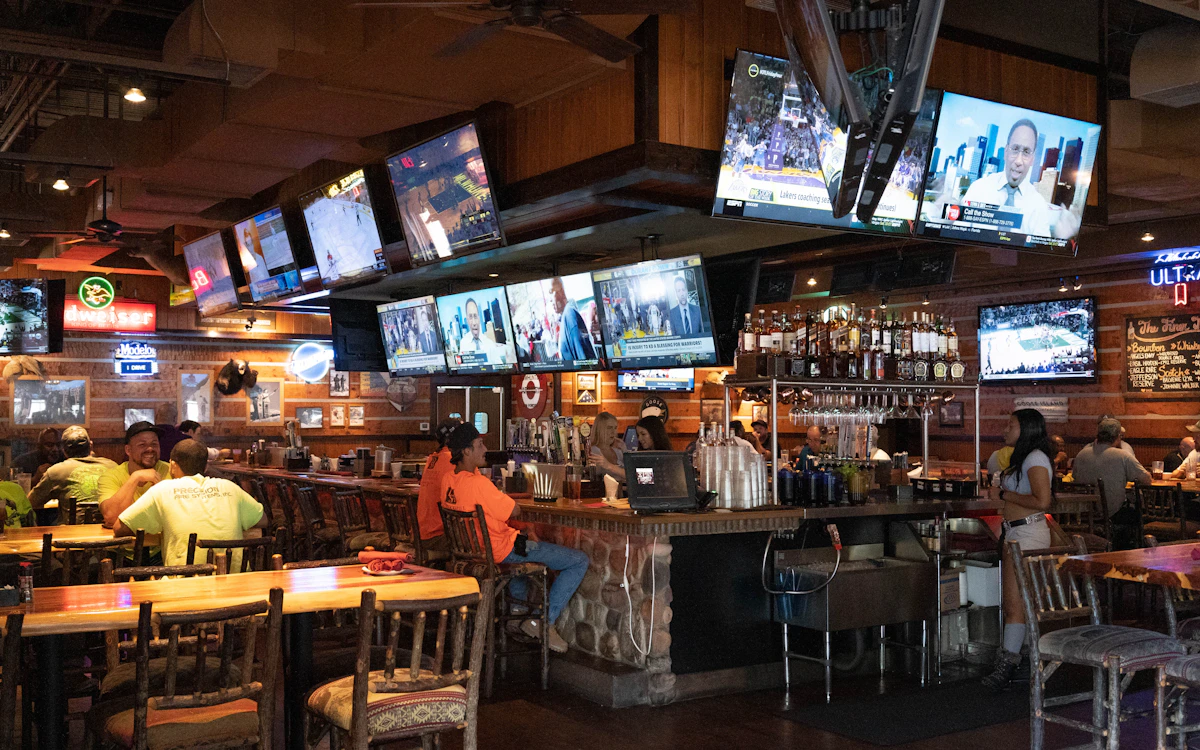
The Mexican restaurant sector arrives at the 2026 World Cup at a moment that combines opportunity and pressure in equal parts. After a first quarter marked by falls in profits, more cautious consumers, and weakened traffic, the big operators see the tournament as the trigger that the year has not yet provided them.
The figures for the start of 2026 speak for themselves. Alsea, operator of Starbucks, Domino's Pizza, Vips, and Chili's, reported a 61% drop in consolidated profit during the first quarter. CMR, which operates Sushi Itto, Wings, and some Chili's units under territorial division with Alsea, closed the period with a net loss of 42 million pesos, double the 20.7 million recorded a year earlier. Grupo Gigante, with chains like Toks, Panda Express, Shake Shack, and El Farolito, reported a 3.3% drop in net profit to 377.6 million pesos. The challenge is shared: consumers are spending less, making more selective choices, and it is more difficult and expensive to attract them.
The World Cup arrives in this context. Deloitte estimates that the tournament will contribute 2.73 billion dollars to the Mexican economy, equivalent to 0.14% of the national GDP, and will generate 112,200 temporary jobs. For bars and restaurants specifically, the consultancy forecasts additional revenues of 562.5 million dollars driven by tourist flow and increased out-of-home spending in the three host cities: Mexico City, Guadalajara, and Monterrey.
Alsea is already working on concrete initiatives for Chili's, Starbucks, and Domino's aimed at capturing the largest possible share of that additional spending. Federico Rodríguez, the company's Director of Administration and Finance, confirmed that they are preparing specific campaigns and operational adjustments for the tournament period.
Opportunities vary by format. Restaurants and bars are targeting gatherings linked to the matches. Coffee and fast food chains expect to benefit from the increase in urban mobility and tourism. All agree that the event is a catalyst, though with clear limits.
Marisol Huerta, a stock market analyst, frames it accurately: the World Cup may meet short-term expectations, especially on platforms with active promotions. But the performance for the rest of the year will depend on the country’s economic situation, and she warns that downward revision scenarios remain in place.
For the editorial team of next+, the case of the restaurant sector in 2026 illustrates a pattern that is repeating in several industries oriented towards mass consumption in Mexico: dependence on extraordinary events as a mechanism for reactivation reveals the fragility of the engines of ordinary demand. The World Cup may fill restaurants for a few weeks and improve the numbers for the second quarter, but it does not change the variables that explain why consumers reached 2026 more cautiously. Accumulated inflation, real wages under pressure, and lower consumer confidence are factors that no tournament can resolve. For sector operators, the most important strategic question is not how to capture the peak of the World Cup, but what value proposition they build to retain those consumers once the event ends and the extraordinary spending disappears.