
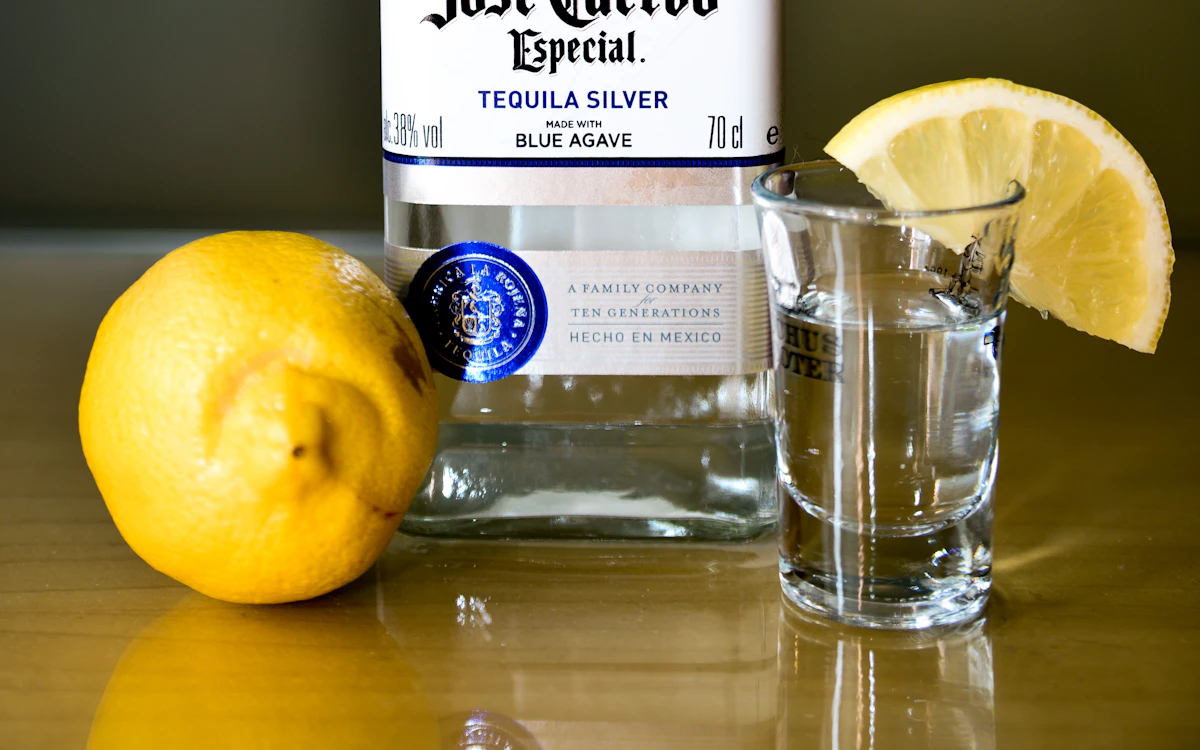
Becle's shares, the world's largest tequila producer and owner of the José Cuervo brand, have dropped 34.93% so far in 2026, positioning it among the worst performers of the Mexican Stock Exchange this year. Since its all-time high in January 2022, the stock has declined 74.77%.
The results for the first quarter of 2026 were the immediate trigger for this adjustment. According to analysts from GBM Research, the numbers were well below market expectations, with double-digit declines in the United States, its main market, amidst a tough environment exacerbated by changes in distribution agreements. Additionally, the strength of the Mexican peso pressures the profitability of a company whose revenue largely comes from dollar-denominated exports.
The British bank Barclays noted that Becle's outlook largely depends on resolving its operational issues in the U.S. market and on macroeconomic variables outside of the company's direct control. Among the factors the market is watching most closely are volatility in agave prices, potential damage to crops from pests or adverse weather conditions, a possible increase in alcohol taxes, the threat of loss of Denomination of Origin, and increasingly aggressive competition within the category.
To these risks, two variables with potential long-term impact are added: the possibility of tariffs or trade barriers for exporting tequila to the United States, and a consumption trend that might be shifting buyers away from tequila toward other categories of spirits.
From the perspective with which next+ monitors movements in the business and retail ecosystem in Mexico, Becle's case illustrates how even globally recognized brands can simultaneously be caught in operational, macroeconomic, and market pressures. Tequila has been one of the most robust assets in Mexican exports for years, with sustained growth and increasing international demand. What the numbers for 2026 reveal is that this bullish cycle faces real frictions, and that Becle's recovery will depend both on its ability to resolve its distribution issues in the United States and on factors no company can control alone: the weather, tariffs, and changing consumer habits.