
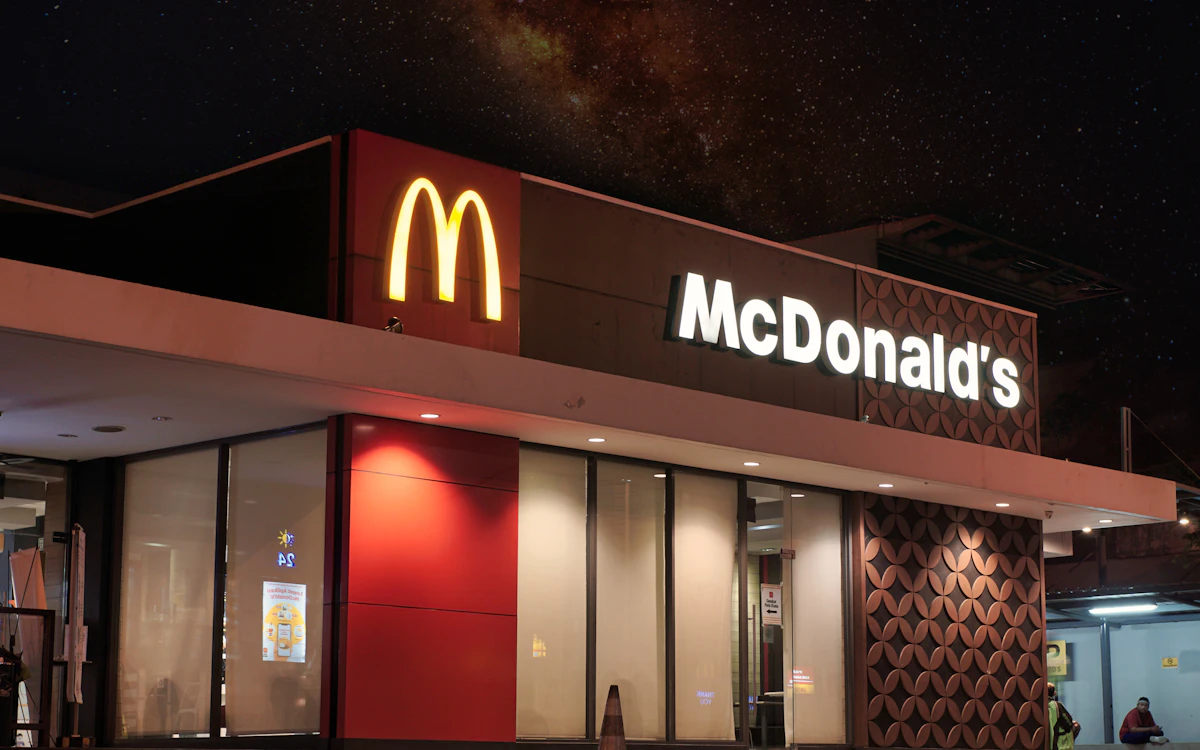
Monetization of screens and physical proximity: McDonald's ventures into the commercial media networks market
McDonald's is evaluating converting its menu boards and digital screens into advertising platforms for brands from other industries, testing a commerce media network that could generate up to $1 billion annually in additional revenue.
From the perspective of next+, McDonald's move redefines the concept of retail media by shifting it from retail to the quick-service restaurant (QSR) sector. With over 46,000 locations and a daily attention of 70 million people, McDonald's does not just sell food; it manages a highly valuable physical and digital attention inventory. Transforming its drive-thru and dining room screens into an advertising network allows it to capture high margins without significantly increasing operational costs. For marketers, opening this channel represents an opportunity to reach consumers at the physical point of decision, while for the restaurant industry, it sets a precedent on how to monetize the screen infrastructure in an omnichannel environment.
Testing in restaurants and zero operational friction
The pilot test is active in approximately 450 of the company's own restaurants, where ads from non-competing companies —such as the insurance company Geico— have been displayed on the drive-thru and dining room screens.
Morgan Flatley, Global Chief Marketing Officer of McDonald's, highlighted the competitive advantage of the initiative:
“It’s a revenue generation opportunity for the system, with very few additional costs, no operational complexity, and without disrupting our customers’ experience”.
Massive scale and audience reach
McDonald's foray fits into a global trend where advertising investment in commercial media networks will reach $100 billion in the United States by 2028, driven by retail giants like Amazon and Walmart (whose Walmart Connect network generated $6.4 billion).
Unlike the retail or convenience sector, the penetration of this model in restaurant chains is still limited. However, McDonald's infrastructure offers a massive advertising asset:
- Global physical footprint: It has more than 46,000 restaurants worldwide, including 13,700 in the United States.
- Daily consumer flow: It serves 70 million customers a day globally.
- Market penetration: It interacts with approximately 85% of the U.S. population at least once a year.
In this regard, Ian Borden, CFO of McDonald's, noted: “Our brand is one of the most valuable in the world across any category, and we have more physical proximity than any other brand... all of that gives us a very interesting opportunity to generate more revenue over time.”
Challenges in the franchise network
Since 95% of McDonald's restaurants are operated by franchisees, the tests have so far been limited to corporate locations. The company has not yet determined how the advertising revenue scheme will be distributed between the corporation and its franchisees once the model is deployed at scale.