
The Physical Crossroads of AI: Infrastructure, Energy and Free Regulation at the G20
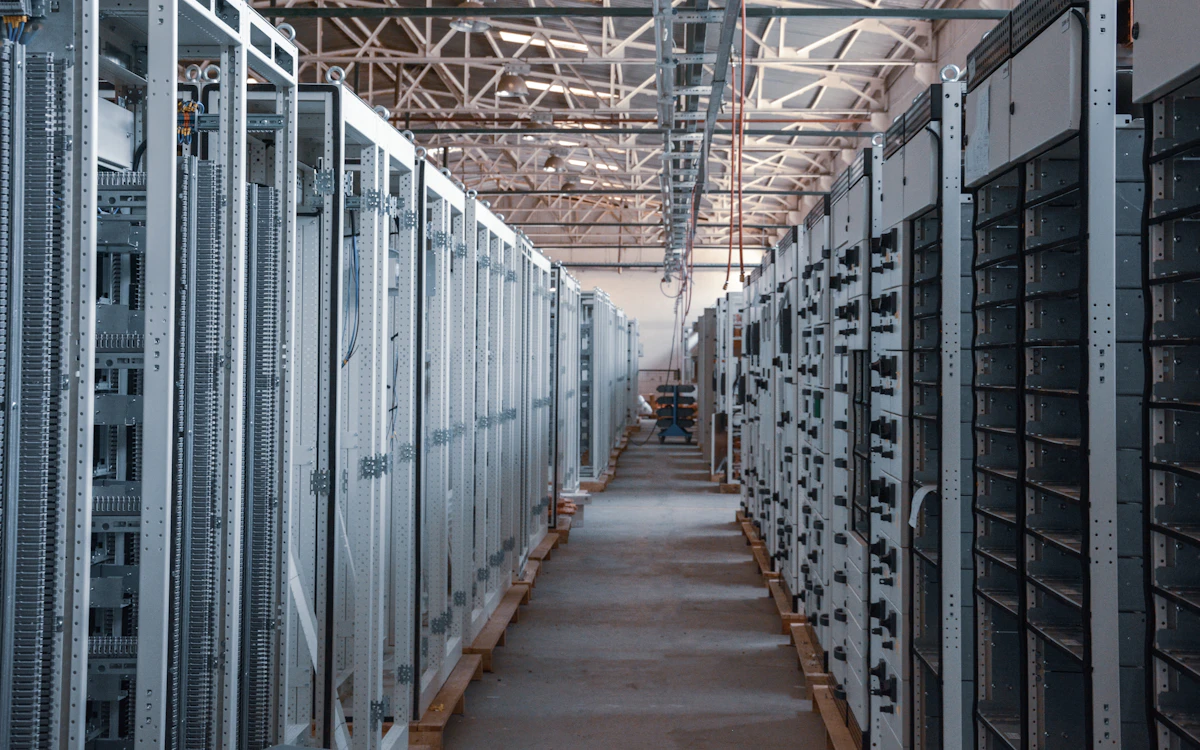
During a virtual meeting of G20 Technology Ministers held in Chapel Hill, North Carolina, US technology leaders strongly advocated for the expansion of the physical infrastructure necessary for Artificial Intelligence (AI). During the meeting, hosted by the White House, Elon Musk stated that AI will increase the size of the global economy by 20% to 30%, contributing approximately 20 to 30 trillion dollars annually. However, the materialization of this exponential growth depends entirely on the accelerated construction of data centers and the supply of electricity to maintain them.
The Energy Crisis and China's Advantage
The founder of Tesla and SpaceX warned of the imminent "energy crisis" for next year, noting that the electricity shortage could give China a critical advantage in the development of the technology. Faced with this scenario, Musk revealed that his companies are already building their own power generation capacity to accompany the expansion of their data centers. He also strongly criticized the excessive regulation in the European Union, arguing that regulations slow down innovation, and proposed that new technologies be "legal by default, instead of illegal by default". These statements were made within the framework of a meeting that the White House dedicated to keeping the AI revolution free from rules and government oversight.
Zuckerberg and the Paradox of Skilled Talent
For his part, Mark Zuckerberg, head of Meta, highlighted that the building of AI infrastructure will require "hundreds of thousands and perhaps millions of specialized jobs." However, Zuckerberg acknowledged that his company faces an immediate bottleneck because they cannot find the qualified professionals needed to build their data centers. Added to this resource problem are complaints from American citizens about rising electricity bills and the noise generated by the facilities. Despite social resistance, Google DeepMind director Demis Hassabis compared the development of human-level AI to a milestone ten times greater than the Industrial Revolution, urging to seize the opportunity responsibly.
At next+ we believe that the debate at the G20 shows that the race for artificial intelligence has ceased to be merely a dispute over code and sophisticated language models to become a fierce war for analog physical resources. Musk's warning about energy shortages and Zuckerberg's confession about the inability to find skilled labor expose that the real limits of the current technological revolution are physical and logistical. In a context where the US government and technology leaders defend industrial self-regulation, the success of AI adoption in Latin America will be conditioned by its ability to offer reliable electricity grids and trained technicians who can quickly integrate into the international supply chain.