
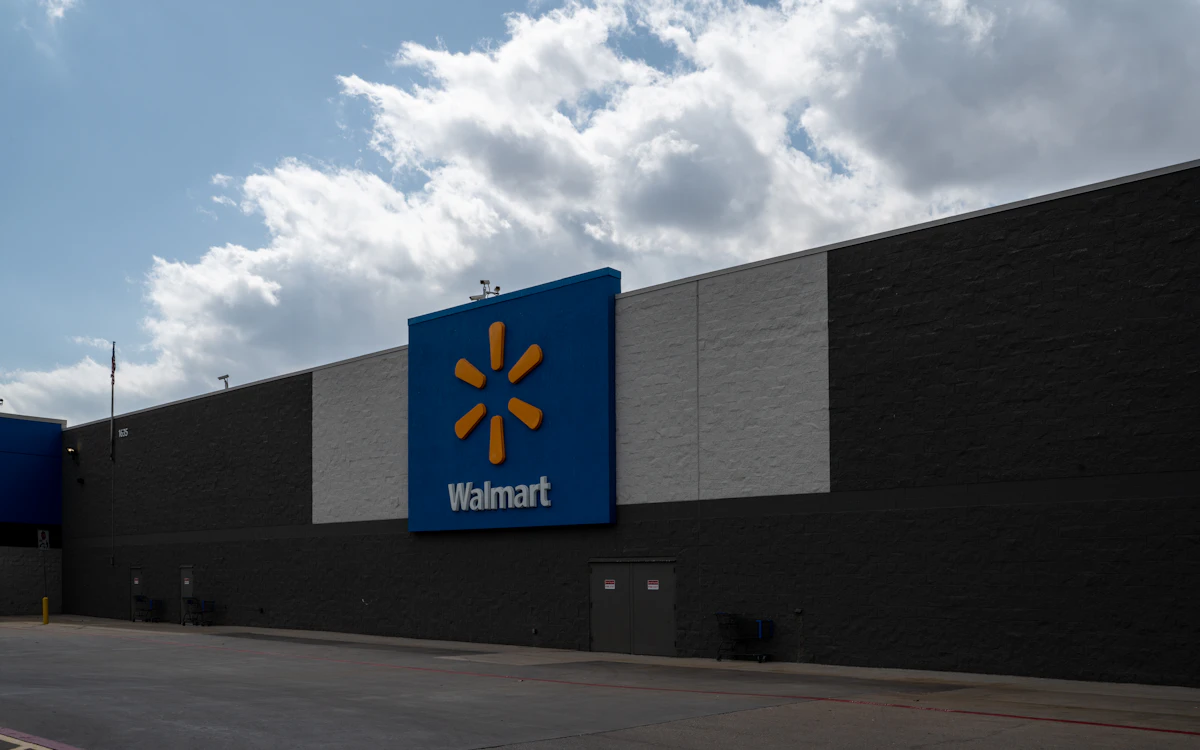
Walmart de Mexico announced an investment of 4 billion pesos to strengthen its operations in the State of Mexico by 2027, and it did so by inaugurating the automation of its Fulfillment Center Mega Park in Tepotzotlán, for which it previously allocated an additional 400 million pesos. The timing of the announcement is not coincidental: it arrives days before the Hot Sale, the peak digital demand season of the year in Mexico, where logistical capacity becomes the differentiator that separates the winners from the laggards.
The most significant operational change within the Mega Park is the incorporation of a robotic system that eliminates the need for employees to walk the aisles to locate merchandise. Instead, the robots transport the products directly to the workstations, where the operators consolidate and prepare the packages without moving. The result is a multiplication of up to ten times the storage capacity and a quadrupling of the number of orders that can be processed. "Our associates focus on consolidating and preparing shipments in one place. This allows us to process many more orders more quickly, safely, and with total accuracy," said Gastón Wainstein during the inauguration.
The strategic context of the investment is precise. E-commerce already represents 8% of Walmart Mexico's total sales and continues to grow at a double-digit rate. Cristian Barrientos Pozo, president and CEO of the company, described the automation of the Mega Park as a statement of where Walmart Mexico is headed, and noted that the investment will also open up opportunities for entrepreneurs and sellers looking to expand their reach within the platform's ecosystem.
The Fulfillment Center Mega Park was originally inaugurated in 2020 with an investment of 628 million pesos. With the current technological expansion, it consolidates as one of the most important nodes in the company’s digital operation, along with the distribution centers in Guadalajara and Monterrey that complete Walmart's national logistics network for e-commerce.
From the analysis of next+, this movement by Walmart should be read in the complete competitive board. Amazon and Mercado Libre have built their advantages on delivery speed and advanced logistical infrastructure. Walmart is responding with a concrete bet: robots, automation, and a multimillion-dollar investment aimed at reducing the operational gap before the Hot Sale, and then the 2026 World Cup, generate the largest demand peaks that the Mexican digital retail sector will have faced in its recent history. For the brands and sellers operating within Walmart’s ecosystem, the expansion of this infrastructure also broadens their potential reach in a market where logistics is no longer a back-office issue but a direct promise to the consumer.