
The painful 2-3 defeat of the Mexican National Team against England last Sunday in the round of 16 put an end to the World Cup dream for millions of fans in the country. The famous slogan of hope "What if it does?", which originated on social media and scaled to become a cultural phenomenon, quickly transformed into the nostalgic "no, well, it didn't". However, beyond the sporting sadness on the field, the 2026 World Cup has left one of the most valuable digital marketing and real-time advertising manuals of the decade, demonstrating how corporations can leverage an organic narrative to emotionally connect with their audience.
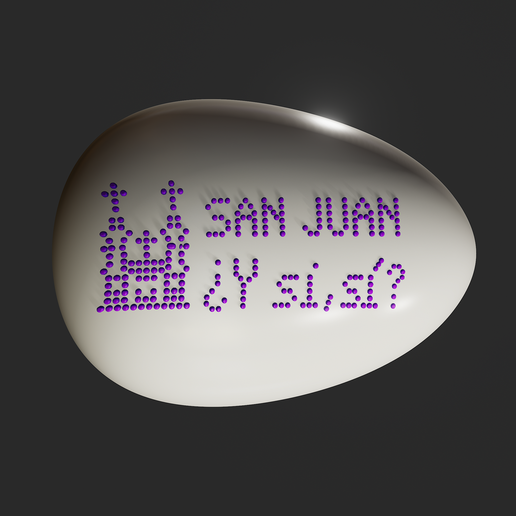
The great merit of the brands in this campaign was not to invent a slogan from a corporate office, but to have the auditory agility to appropriate a phrase that already belonged to the people. One of the clearest and most ingenious examples was that of Huevos San Juan, the official sponsor of El Tri, which brought the concept directly to Mexican homes by printing the question "What if it does?" on each of the eggshells in their commercial packages, turning daily breakfast into a space of massive optimism.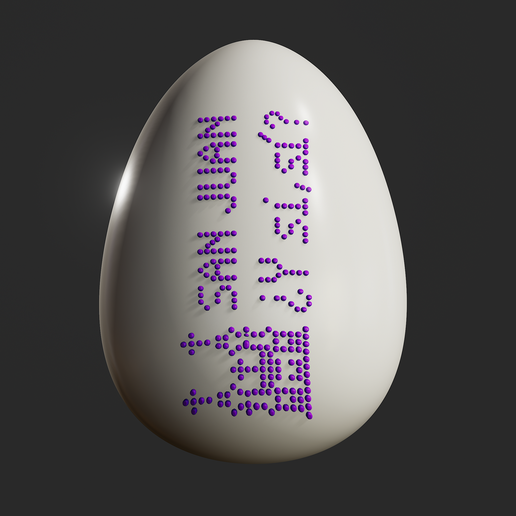 Source: Cults 3D. Official campaign of Huevos San Juan.
Coca-Cola quickly joined this fever of optimism through an interactive commemorative package. The multinational beverage company launched a special edition of personalized cans that included the exact scores of the matches in which Mexico had been victorious in the group stage. This strategy not only appealed to immediate nostalgia and collectors' passion, but also turned an everyday product into a good luck charm that flooded tables in homes and restaurants during live broadcasts.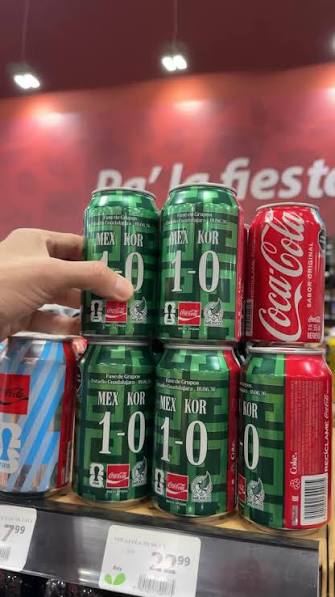 Source: Official social media campaign of Coca-Cola Mexico.
When the calendar marked the crucial Sunday match against the English, the ingenuity of the brands escalated to the "No English Operation," where companies temporarily relinquished their Anglo-Saxon names on digital platforms as a show of national solidarity. The Nissan chain renamed itself "El Tío Nissan" (Uncle Nissan) and humorously adapted its models by changing the iconic X-Trail to "Sendero X" (X-Path), the Kicks to "Patadas" (Kicks), and the March to "Marzo" (March). Meanwhile, the clothing company The North Face modified its digital identity to "La Cara Norte" (The North Face) under the premise that the English language was strictly prohibited on its channels until Monday. Fast-moving consumer goods brands like OfficeMax joined this trend, interacting under the name "Oficina Máxima" (Maximum Office), and the hamburger chain Carl's Jr. simply signed its publications as "Carlitos" (Little Carl's).
The lesson that survives the team's disqualification is that today's consumer values flexibility and humor above rigid and ultra-planned campaigns. Although Jude Bellingham's and Harry Kane's goals buried Mexico's sporting hopes on Sunday, the brands that expertly jumped on the "What if it does?" and "No English" bandwagon had already secured their victory in the digital arena, demonstrating that relevance and speed in connecting with the conversation of the moment are worth more than any traditional budget.
From next+'s perspective, brand response agility is an indispensable asset for senior management today. With trends going viral overnight, it's necessary to be on top of them before we move on to the next. The brands that participated in the World Cup dynamics understood that consumer attention is fleeting and that static marketing plans no longer work. For executives and decision-makers, the big takeaway lies in structuring creative teams capable of executing "Newsjacking" or real-time marketing strategies, respecting popular language without losing the essence of the business, as this is the way to build loyal communities that continue to consume the brand even when the euphoria of the main event has completely faded.