
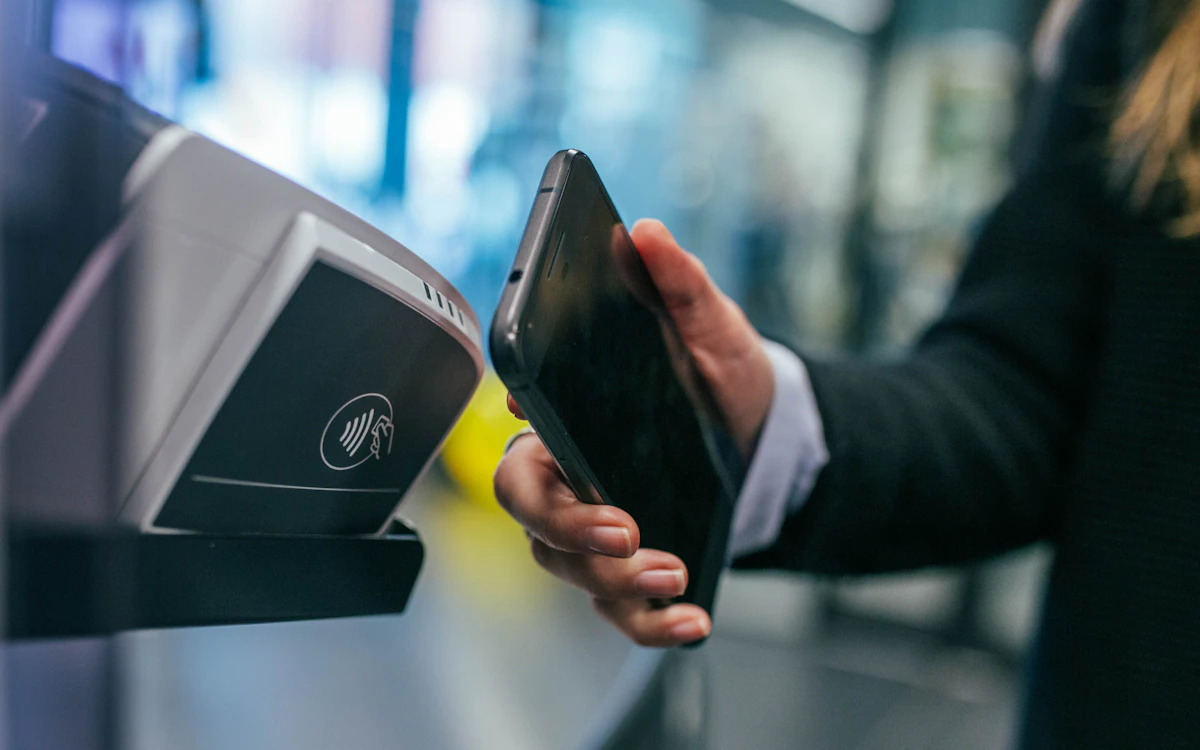
The use of cash at points of sale in Mexico will fall from 40% of the total transaction value in 2025 to 35% by 2030, according to the eleventh edition of the Global Payments Report 2026, a report that analyzes payment trends in 42 countries and projects their evolution until the end of the decade. In the ecommerce channel, the reduction is equally consistent: cash transactions will drop from 9% to 7% of the total value in the same period.
The report describes the emergence of a hybrid ecosystem where cash and digital methods coexist, but with a clear long-term trajectory toward digitalization. Credit and debit cards continue to be the dominant method in Mexican ecommerce, accounting for 32% of the total value of online transactions. Digital wallets and other emerging payment solutions are expanding their presence as consumers prioritize security, speed, and ease of use.
"Consumers are showing greater openness and interest in payment methods that are fast, simple, and secure for daily use," said Juan Pablo D'Antiochia, General Director of Enterprise for Global Payments in Latin America.
The scenario has a structural dimension that goes beyond individual consumer behavior. For businesses, reducing dependence on cash implies lower operating costs, less friction in transactions, and greater financial traceability. For financial institutions, it represents an opportunity to expand access to credit, insurance, and other services among segments of the population that today operate mainly in cash.
That gap is significant. According to the 2023 National Survey of Business Financing, only 52% of micro, small, and medium-sized enterprises in Mexico accept card payments. Among those that do, 98% cite customer demand as the main reason, 70% report greater sales potential, and 62% indicate that digital payments improve sales tracking and accounting processes.
To address this gap, the Ministry of Economy, Visa, BBVA, and Santander Mexico launched the "Grow Your SMEs with Digital Payments" initiative in December 2025, with the aim of enabling at least one million micro, small, and medium-sized enterprises to accept electronic payments. The Secretary of Economy, Marcelo Ebrard, highlighted that approximately 3.2 million SMEs in Mexico still lack this capability. The first phase of the program will be implemented in 10 states, including several host cities for the 2026 World Cup.
The debate on the most efficient way to reduce cash also has regional benchmarks. Ximena Aleman, CEO and co-founder of Prometeo, points out that Brazil's experience with Pix, the Central Bank's instant payment system that allows transfers using a phone number, email, or tax ID, offers a relevant lesson for Mexico. In contrast, Banxico's CoDi system has had adoption difficulties because the initiation process using codes is less intuitive for the user. Aleman argues that Mexico already has the internet penetration and technological infrastructure to scale digital payments, but that the transition requires better guarantees, simpler user experiences, and clear incentives to move away from cash.
For the next+ team, the projected reduction of cash in Mexico is not just a payment method data point. It is a sign of the reconfiguration of the commercial ecosystem as a whole. Every percentage point that migrates from cash to digital opens up new possibilities for traceability, personalization, and access to financial services for consumers and businesses that today operate outside the formal system. For retailers, ecommerce operators, and brands designing their checkout strategy, the time to invest in digital payment infrastructure is not when demand is already mature, but before, when the migration is still building its habits. Companies that make this move now will have a structural advantage over those that wait until the market forces them.