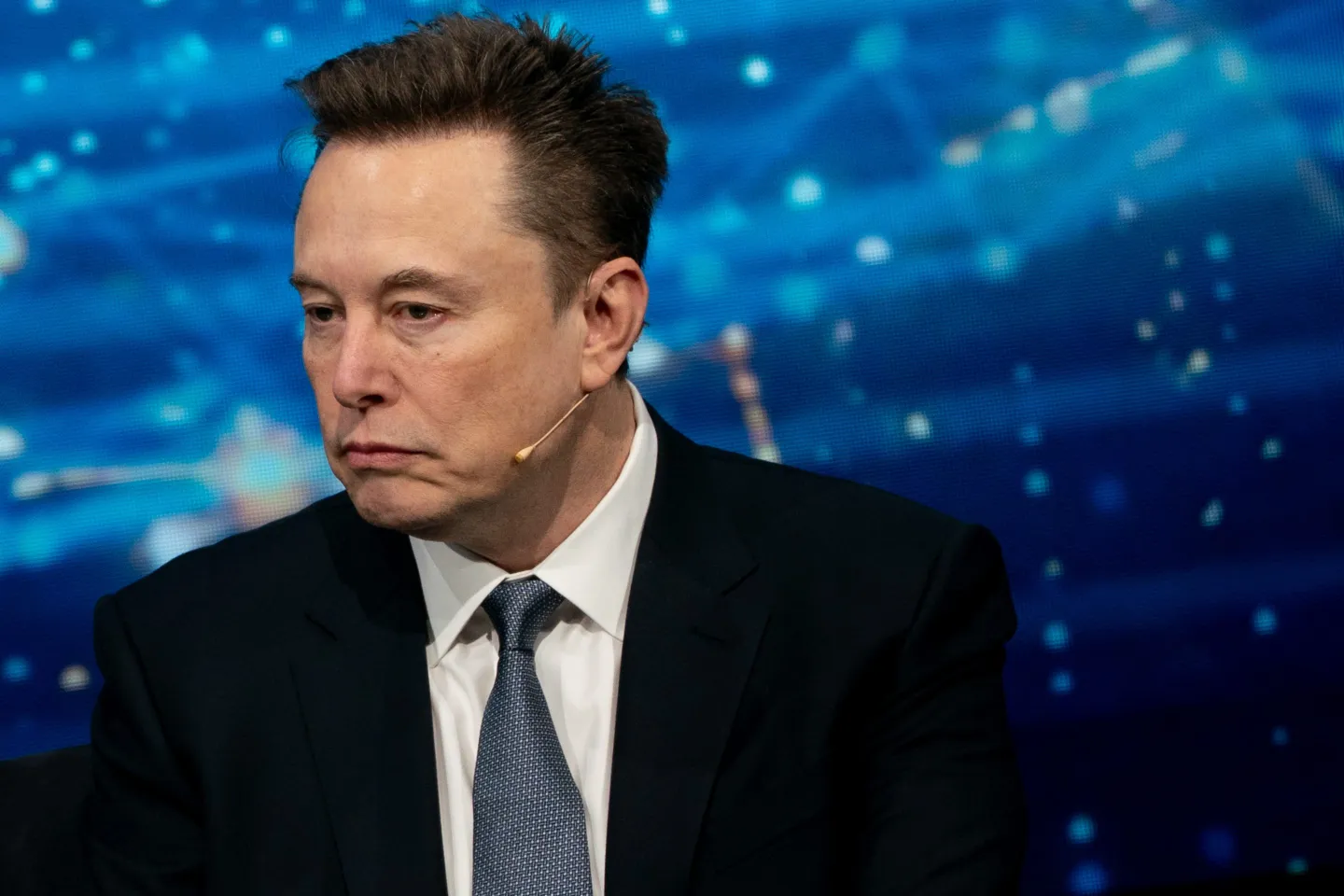
The most closely followed trial in the global technology ecosystem has come to a conclusion. A federal jury in Oakland, California, ruled against Elon Musk in his lawsuit against OpenAI and its CEO Sam Altman, bringing an end to a three-week process that featured testimonies from some of the most influential figures in the artificial intelligence industry.
The verdict, issued after less than two hours of deliberations and immediately adopted by District Judge Yvonne Gonzalez Rogers, did not address the merits of Musk's accusations regarding an alleged violation of OpenAI's charitable mandate. Instead, it determined that the claims were filed outside the three-year legal deadline established by the statute of limitations. The lawsuit against Microsoft, also named as a co-defendant for allegedly facilitating OpenAI's shift to a for-profit structure, was similarly dismissed.
Musk reacted on his social network X calling the ruling a "calendar technicality" and announced that he would appeal to the Ninth Circuit Court of Appeals. "There is no doubt for anyone who followed the case closely that Altman and Brockman enriched themselves by stealing from a charitable organization. The only question is when they did it," he wrote. His legal team tried to reserve the right to appeal directly before the judge, who expressed skepticism and indicated she was prepared to dismiss the motion on the spot.
The lead attorney for OpenAI, William Savitt, described the ruling as a substantive, not technical, decision, arguing that Musk withheld his claims to use them as a competitive tool. "You did it too late, and you did it because you were holding it back to use it as a weapon from a competitor who cannot compete in the market," he stated outside the court.
The case dates back to 2024, when Musk sued Altman and OpenAI accusing them of abandoning the foundational charitable mission of the organization for personal interests. Musk had contributed approximately 38 million dollars to OpenAI since its founding in 2015, under the understanding, as he argued, that the organization would develop artificial intelligence for the benefit of humanity. OpenAI's lawyers responded that the donations had no specific restrictions and that the restructuring to a for-profit model was the only way to compete in a high-cost technological race against Google DeepMind. They also presented evidence that Musk himself had proposed for-profit structures conditioned on him retaining control, including the proposal to merge OpenAI with Tesla.
The verdict comes at a critical time for both protagonists. OpenAI raised 122 billion dollars in March with a valuation exceeding 850 billion, and is advancing in its models and consumer services. Musk, for his part, is preparing for SpaceX's IPO, valued at 1.25 trillion dollars following its merger with xAI in February.
next+ has followed this case since its inception, covering every stage of the process: from the original lawsuit, to the most revealing testimonies, including Shivon Zilis's statement that exposed Musk's plans to absorb OpenAI into Tesla, to this final verdict. What the trial left as a legacy is not only the legal outcome but the portrait it built of how power is contested within the industry that is defining the future of artificial intelligence. Musk's appeal keeps the case technically open, but the competitive landscape already has a clear winner in this first battle.