
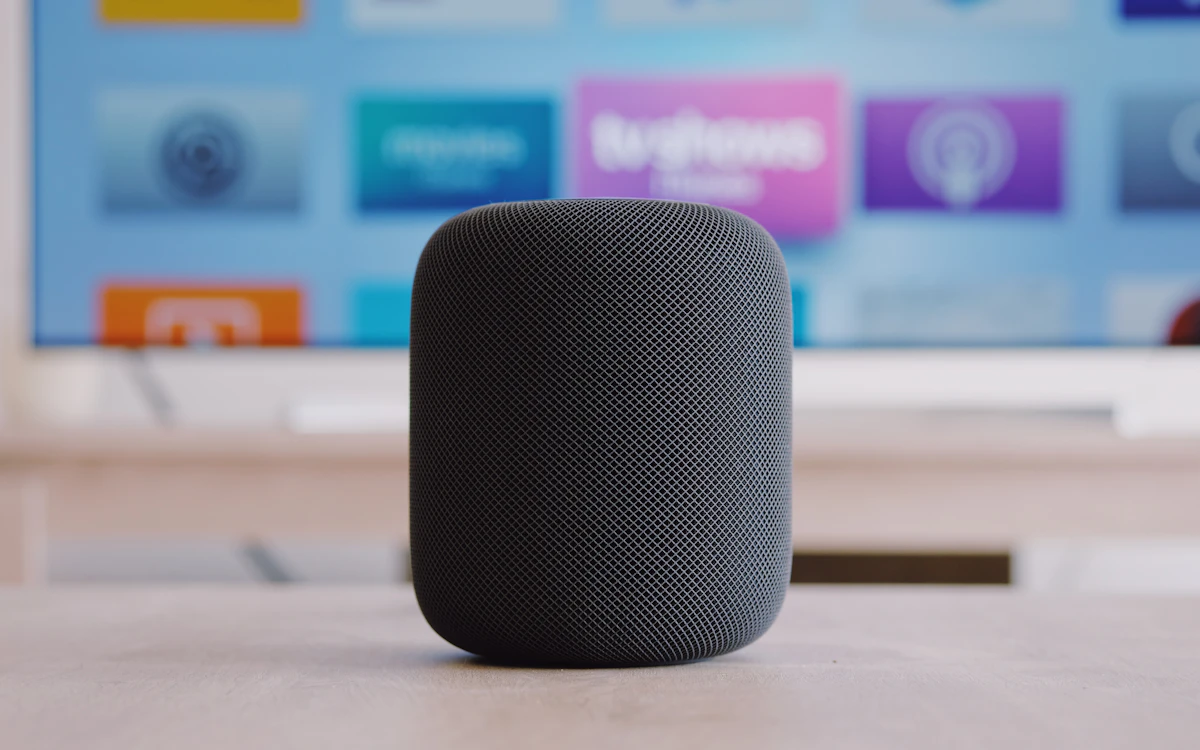
The competition in the AI hardware and advanced home automation market is about to enter a new era after OpenAI's operational plans to launch its first mass-consumer device were leaked. The creator of ChatGPT is developing a portable smart speaker designed to bring its ecosystem of language models directly into the heart of homes, squarely challenging the dominant position that giants like Amazon (Alexa), Google (Home), and Apple (HomePod) hold in home automation.
Unlike traditional voice speakers based on rigid command-and-response, OpenAI's new physical device will incorporate a screenless hardware architecture equipped with computer vision cameras, advanced sensors, and a rechargeable battery for free mobility within rooms. The project stands out for the integration of mechanical components capable of performing small autonomous movements, a feature focused on giving the device a gestural and fluid physical presence that reinforces the sensation of real-time human interaction. The industrial design of the unit is handled by the team led by Jony Ive, former head of design at Apple, whose firm was acquired by the company to establish its physical devices division.
The functional core of the device will use an evolved version of ChatGPT's conversational voice mode, capable of interpreting mutual interruptions, anticipating user habits through situational learning, and proactively managing Internet of Things (IoT) ecosystems. OpenAI's strategic move seeks to capture the direct user interaction interface in the physical environment, avoiding reliance on mobile operating systems or third-party browsers, and marking the formal step of generative AI platforms from exclusively digital cloud-based solutions to integrated hardware and software products.
From next+'s perspective, OpenAI's foray into smart home speaker design confirms that AI software alone will reach a ceiling of commercial differentiation in the medium term. For decision-makers and senior management, the strategic value of AI lies in controlling the primary interface through which the customer interacts with the digital environment. Moving towards ambient computing allows technology firms to collect real-time context data without going through the smartphone filter. The emergence of this new category of proactive assistants will require restructuring customer interaction strategies and voice commerce, prioritizing integrations that allow their brands to be discovered and executed within these new intelligent command centers within the home.